


Tango Music: The Soul of Argentine Tango

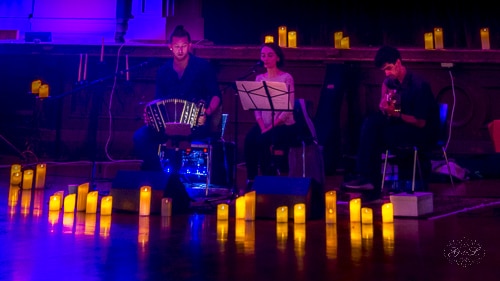
One of the most distinctive features of Argentine Tango is its music. Each orchestra has a unique style, and learning to recognize and interpret these differences is fundamental for dancers. The rhythms, melodies, and emotional intensity vary between orchestras like Carlos Di Sarli, Juan D’Arienzo, Osvaldo Pugliese, and Aníbal Troilo.
- Di Sarli: Smooth, elegant, and lyrical, perfect for flowing movements.
- D’Arienzo: Rhythmic, sharp, and energetic, inspiring staccato footwork.
- Pugliese: Dramatic and expressive, allowing for dynamic pauses and surges.
- Troilo: A rich mix of rhythm and melody, ideal for sophisticated interpretations.
Developing a refined ear for tango music enables dancers to express themselves authentically and stay connected to the essence of the dance.
Connection: The Heart of the Dance

Tango Delight : Tango Techniques and Steps
Argentine Tango is often described as a “walking embrace.” The physical and emotional connection between partners is what makes this dance so mesmerizing.
Sensitivity: Both partners must be highly attuned to each other’s movements, making micro-adjustments to maintain harmony in the dance
The Embrace: Dancers choose between a close embrace (intimate and stable) or an open embrace (allowing for more flexibility and personal expression).
Leading and Following: A skilled leader communicates intentions clearly through subtle shifts in weight, torso movement, and energy. A good follower listens attentively, responding with fluidity and grace.
Technique: Mastering the Fundamentals
o move gracefully in Argentine Tango, dancers must develop strong foundational techniques.
- Musicality: Matching movements with the phrasing of the music creates a deeper emotional expression.
- Walking (El Caminata): Walking in tango is an art form in itself. A controlled, elegant walk with a grounded yet fluid quality sets the foundation for all movements.
- Axis and Balance: Maintaining balance is crucial, allowing dancers to execute pivots, ochos, other elements, and embellishments with confidence.
Unlike other dance styles with pre-set routines, Argentine Tango thrives on improvisation. This spontaneity is what keeps the dance exciting and personal.
Floor Craft: Navigating a crowded dance floor requires awareness, respect for other dancers, and the ability to make quick decisions and sometimes be very flexible about movement.
Adapting to the Music: Each song dictates a different energy and structure, requiring dancers to adjust their steps accordingly.
Interpreting the Partner: Great tango dancers listen to their partners as much as the music, responding intuitively to subtle signals.
Tango is not just a dance; it is a culture with traditions that shape the way it is practiced socially. The milonga (a social tango dance event as well as being one of the three styles of Tango music) follows specific customs that create a respectful and immersive environment.
Etiquette: Respect for other dancers, maintaining good posture, and understanding floorcraft contribute to a pleasant experience for everyone.
The Cabeceo: A traditional way of inviting someone to dance using eye contact and a subtle nod. This is the traditional way however it is coming under increasing pressure to evolve in some countries.
The Ronda: Dancers move counterclockwise around the dance floor, ensuring fluid movement and avoiding collisions.

Why Focus on Orchestras and Musicality?
At Tango Delight, we emphasize the importance of listening deeply to the music and dancing in a way that honours each orchestra’s unique style. By refining musicality, dancers enhance their ability to express emotions, engage with their partners, and create beautiful, fluid movements.
Mastering Argentine Tango is a lifelong journey. The more a dancer tunes into the music, improves technique, and deepens their connection with a partner, the more profound and rewarding the experience becomes. Tango is not just about the steps—it’s about feeling, interpreting, and living the music with every movement.